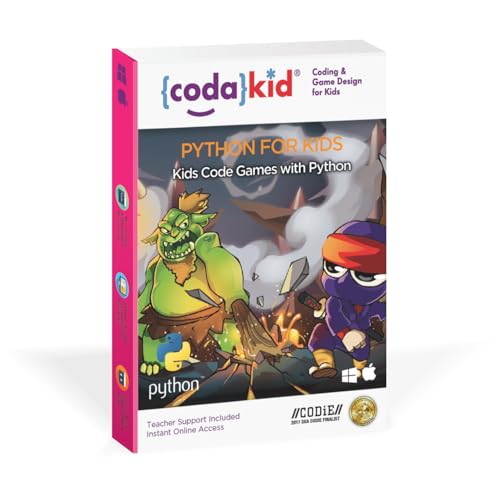
Coding toys for kids are more than just fun—they're powerful learning tools that help children develop problem-solving skills, creativity, and early tech literacy. From robots that respond to commands to games that teach logic and sequencing, coding toys introduce the fundamentals of programming in a way that’s playful and age-appropriate.
Why Coding Toys Are Important
Learning to code doesn’t have to mean sitting in front of a computer screen. Coding toys allow kids to explore computational thinking in a hands-on, engaging way. Whether it's dragging visual blocks to animate a robot or solving a logic puzzle, these toys lay the groundwork for skills that are essential in the digital age.
Top Benefits of Coding Toys
- Develop Logical Thinking: Kids learn to break problems into steps and find efficient solutions.
- Enhance Creativity: Many toys allow kids to build their own projects or customize outcomes.
- Boost Confidence: Children feel empowered as they see their code come to life in the real world.
- Encourage Independent Learning: Most coding toys include challenges that grow with your child’s skills.
- Support STEM Education: A great entry point into science, technology, engineering, and math fields.
Best Coding Toys by Age Group
1. Ages 3–5: Beginner Coding Without Screens
At this stage, toys focus on patterns, cause and effect, and basic sequencing.
- Botley 2.0 – A screen-free robot that teaches simple commands through a remote programmer.
- Code-a-Pillar – Kids connect segments of the caterpillar to create movement paths.
2. Ages 6–8: Visual Coding and Early Problem Solving
These toys often use drag-and-drop interfaces like Blockly or Scratch-style coding.
- Osmo Coding Awbie – Combines physical tiles with a tablet app to teach logic and sequencing.
- Dash Robot by Wonder Workshop – An interactive robot controlled via coding apps with missions and challenges.
3. Ages 9–12: Intermediate Projects and Customization
At this level, kids can create more advanced programs and even begin typing real code.
- LEGO® Boost – A buildable robot set with motors and sensors, programmable via a companion app.
- Makeblock mBot – A build-your-own robot kit that teaches robotics and coding with Scratch or Arduino.
4. Teens (13+): Real Coding Languages and DIY Kits
Ideal for kids ready to move beyond block coding into real-world programming.
- Kano PC Kit – Lets kids build their own computer and learn coding through Python and JavaScript.
- Raspberry Pi Starter Kit – A mini computer platform with endless opportunities for coding, electronics, and app development.
Tips for Parents
- Start with toys that match your child’s age and skill level.
- Look for toys with progressive challenges or app support.
- Encourage open-ended play where kids can explore and create freely.
- Join in! Coding toys can be a great way to spend time and learn together.
Conclusion
Coding toys are an investment in your child’s future, offering a fun and engaging path to learning valuable skills. Whether your child is just starting out or already loves tech, there’s a toy that can inspire and challenge them. With the right tools, kids can not only play—they can create, solve, and build the future.